

Home › Conditions › Melasma
Melasma
Melasma is a common skin condition that causes patchy brown or grey-brown pigmentation, usually on the face. It can be lightened and kept under control, but it tends to come back, so it is managed over time rather than fixed once. Our doctors look for what triggers yours and build a staged plan around daily sun protection.
Understanding Melasma
Melasma shows up as flat, brown patches with fairly defined edges, most often on the cheeks, forehead, nose, chin and upper lip. It is much more common in women, usually appears in the 20s to 40s, and is seen more often in people with medium to darker skin tones. It is not harmful and does not itch or hurt.
You may have heard it called chloasma, or the pregnancy mask, because it so often starts during pregnancy. Because other brown patches can look similar but need different treatment, the first step is always a doctor’s assessment. Our medical-grade skin service in Sutton Coldfield, just north of Birmingham, is part of the wider skin care we offer at Aarva.
What Causes Melasma?
Melasma happens when the pigment cells in your skin become overactive and produce too much melanin in some areas. It is usually a mix of genes, hormones and light.
- Sunlight: ultraviolet light is the biggest trigger, and visible light, including light through windows, can darken melasma further.
- Hormones: pregnancy, the combined contraceptive pill and some other hormone treatments are well-known triggers.
- Family history: melasma often runs in families.
- Heat and irritation: heat exposure, harsh products and some heat-based skin treatments can make it worse.
How We Assess Melasma at Aarva
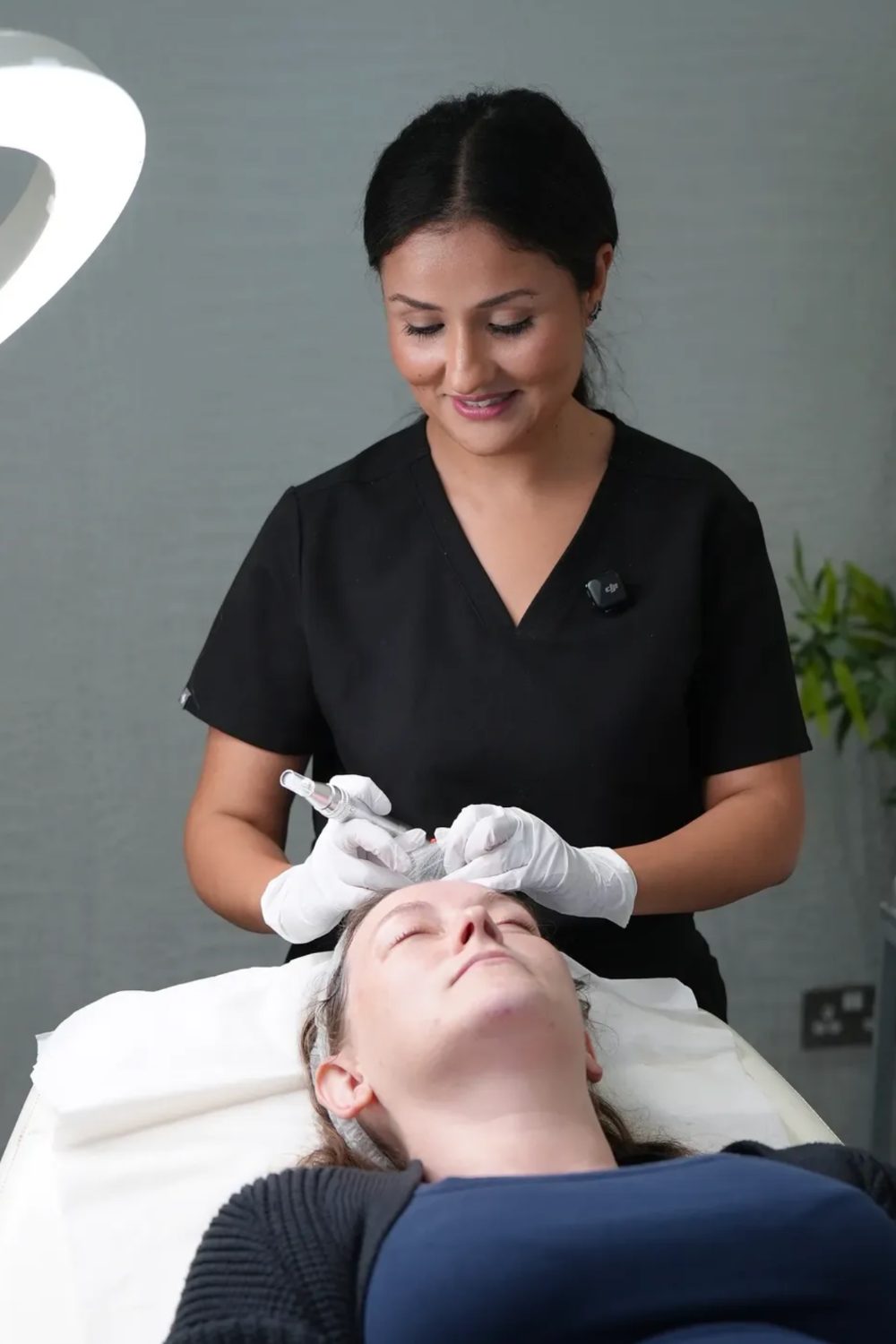
Your appointment starts with a doctor. We ask when the brown patches on your face appeared, whether pregnancy or the pill played a part, your sun habits and what you have tried.
At your skin consultation we use Aura 3D skin analysis to map the pigmentation and record a baseline. This helps us track progress over the following months. Where hormones seem to be playing a part, we can talk it through with our women’s health doctors, as your notes sit on the same medical record.
Treatment Options for Melasma
Your plan depends on what we find at assessment. It often combines treatments in stages.
A depigmentation treatment that starts with a mask applied in clinic, followed by a home cream to slow pigment production. It can lighten melasma noticeably for many people, but ongoing maintenance is needed to hold the result.
Carefully chosen, lighter peels can help fade surface pigment and improve how other products work. Peels that are too strong can irritate the skin and make pigmentation worse, so we choose them with care.
A daily routine with pigment-regulating ingredients and a high-protection sunscreen forms the base of every plan, with prescription creams where appropriate, after consultation.
Daily broad-spectrum sun protection is essential, every day of the year, even when it is cloudy or you are mostly indoors. A tinted sunscreen adds protection against visible light, and avoiding saunas and very hot environments helps.
What to Expect
What to expect depends on the treatment chosen, the settings used and the outcomes you agree with your doctor in your plan.
Melasma responds slowly. Most people need a few months of consistent treatment before they see a clear difference, and some patches fade more than others. Cosmelan and peels can leave skin red and flaky for several days.
Melasma often returns, particularly after summer, a holiday or a change in hormones. That is why we plan maintenance from the start. Pigmentation linked to pregnancy may fade over the months after birth, though not always.
How We Approach Melasma at Aarva
We are honest with patients about melasma. It can be improved and controlled, but it is a long-term condition. We look for what is driving your pigmentation, whether that is sun, hormones or irritation from products, and deal with that as well as the patches themselves.
We avoid treatments that are likely to make things worse. Some heat-based lasers can trigger rebound pigmentation in melasma, so we do not reach for them. You go home with a written treatment plan with clear pricing, and you can book on the day or take time to think it over.
When to See a Doctor Sooner
See your GP if a single dark mark is growing, changing shape or colour, bleeding or itching, as that needs checking in its own right. See your GP too if your skin is darkening generally and you also feel very tired, dizzy, sick or are losing weight, as this can occasionally point to a hormone problem that needs blood tests.
This list is not exhaustive. If you are not sure about something, see a doctor.
Questions Patients Ask About Melasma
Cannot see your question? Our doctors are happy to talk it through at your consultation.
No treatment reliably removes melasma for good. It can usually be lightened and kept under control with the right plan, daily sun protection and maintenance.
Pregnancy-related melasma may fade gradually over the months after birth, but it does not always clear.
Yes, the combined pill is a known trigger for some people. We can discuss this with you, and if you want to consider other contraception, our women’s health doctors can help.
Some lasers, especially heat-based ones, can make melasma worse or cause it to come back darker. We usually start with gentler options and only consider other treatments after careful assessment.
The price depends on the plan that suits your skin. We confirm it in writing before any treatment starts.
Why Patients Choose Aarva
Doctor-led from the first appointment
Every consultation is with a doctor, and every plan is written by a practising GP.
GPs still in practice
Our doctors, Dr Saptarshi Saha, Dr Purti Choudhary and Dr Shivani Malhotra, are GMC-registered GPs who still work in general practice.
One medical record
GP, skin and women’s health care sit on one record, so nothing gets lost between appointments.
It starts with a consultation
A doctor assesses you properly, explains your options and gives you a written treatment plan with clear pricing, so every step that follows is the right one.
Come to Us With a Problem, Not a Treatment
If brown patches on your face are bothering you, book a consultation with one of our doctors.
Related conditions: Pigmentation and sun damage · Acne and breakouts · Under-eye hollows and dark circles · Acne scarring
This page is general information and does not replace a consultation with a doctor.