

Home › Conditions › Dehydrated, tired-looking skin
Dehydrated, tired-looking skin
Dehydrated skin is skin that is short of water, so it can feel tight, look dull and show fine lines more easily, even if it is oily. It usually improves with the right skincare and, where helpful, skin boosters. Our doctors also look at whether sleep, hormones or a health issue could be making your skin look tired.
Understanding Dehydrated, Tired-looking Skin
Dehydrated skin often feels tight after washing and looks flat or dull. Fine lines can look more obvious, and makeup may sit badly. People often describe dull tired skin that does not match how they feel, or a lack of glow that moisturiser alone does not fix.
Because tired-looking skin can reflect what is happening inside the body, we start with a doctor. Our practice in Sutton Coldfield sees patients from across Birmingham and the surrounding area, and this care sits within our medical-grade skin service.
What Causes Dehydrated Skin?
It helps to separate dry skin vs dehydrated skin. Dry skin makes too little oil and tends to be a long-term skin type. Dehydrated skin is short of water, can happen to any skin type and often changes with the seasons and your habits.
- A weakened skin barrier from harsh cleansers, over-exfoliating or strong active products.
- Central heating, air conditioning, cold wind and hot showers.
- Poor sleep, stress and alcohol. Drinking more water on its own usually makes less difference than people expect.
- Hormonal changes, including the menopause, which can leave skin drier and thinner.
- Health conditions such as an underactive thyroid, and low iron, which can cause tiredness and pale or dry skin.
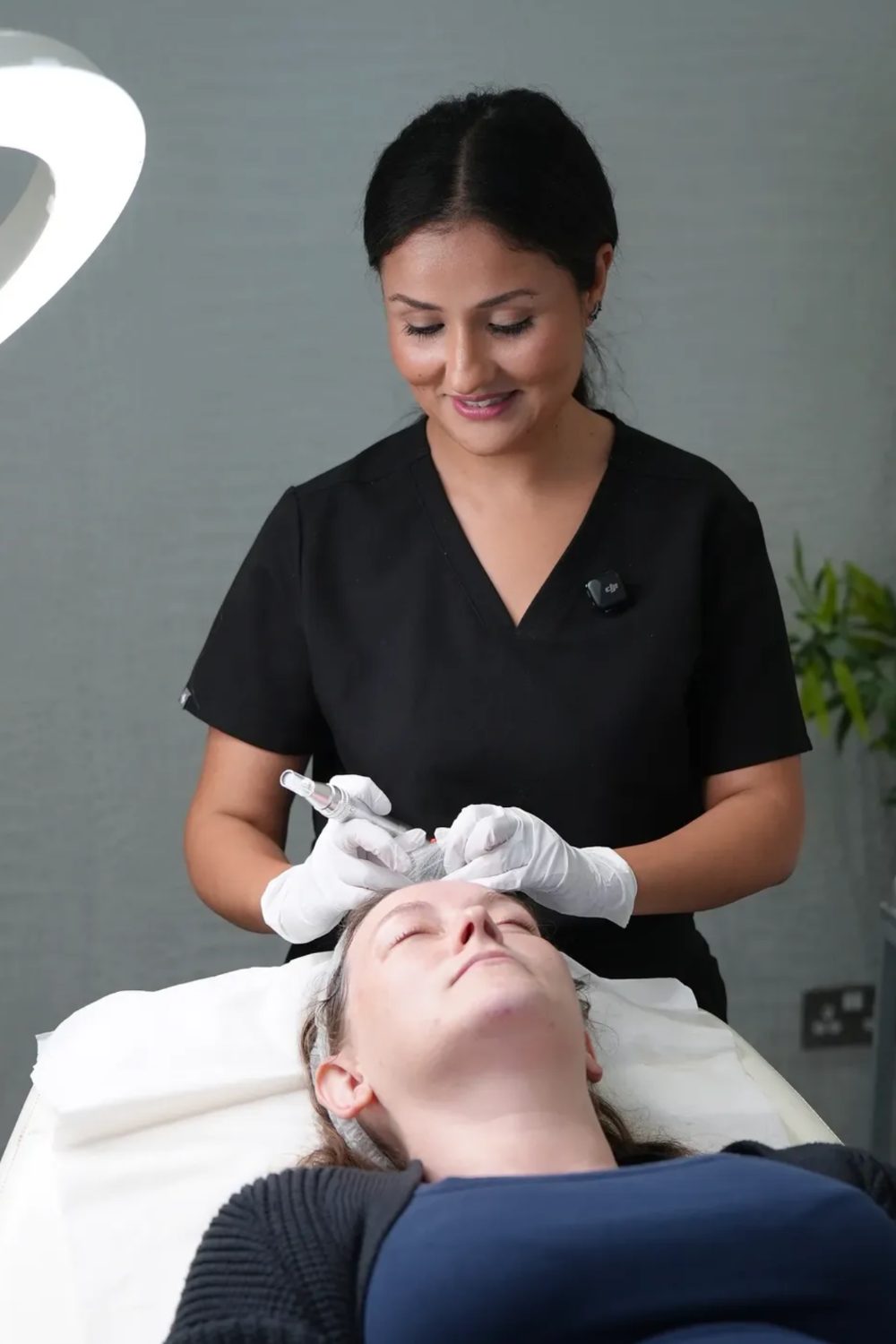
How We Assess Dehydrated Skin at Aarva
A doctor asks about your skincare, sleep, diet, periods or menopause symptoms, energy levels and any medical conditions or medicines. We check whether you are dealing with dehydration, true dry skin or a skin condition such as eczema, because the plan for each is different.
At your skin consultation, Aura 3D skin analysis records texture and fine lines so we can measure change over time. If your symptoms suggest a wider cause, we may suggest blood tests through our private GP service, with the results on the same medical record.
Treatment Options for Dehydrated Skin
Your plan depends on the assessment and often combines skincare with treatments in stages, set out at consultation.
A hyaluronic acid injectable that spreads within the skin to improve hydration and firmness. It improves skin quality rather than adding volume or changing your features.
A skin booster combining hyaluronic acid with amino acids, intended to support hydration and skin structure. It is often used for tired, crepey areas such as under the eyes and the cheeks.
A hyaluronic acid skin booster that draws water into the skin to help with tightness and dullness. It can be a gentle place to start.
Injections intended to support skin repair and improve texture in thin or tired skin. The evidence is still developing, and we will explain what is known.
At home, a gentle cleanser, a moisturiser with humectants such as hyaluronic acid or glycerin, daily sunscreen and fewer harsh actives often help within a few weeks.
What to Expect
What to expect depends on the treatment chosen, the settings used and the outcomes you agree with your doctor in your plan.
Skin boosters are usually given as a short course a few weeks apart, followed by maintenance sessions. Small bumps, redness or bruising at the injection points are common and usually settle within a day or two, though bruises can last longer.
Many people notice skin feels more comfortable within weeks, with further improvement in texture over a few months. Skincare and lifestyle changes matter just as much for keeping results.
How We Approach Dehydrated Skin at Aarva
As GPs, we know tired-looking skin is not always a skin problem. Poor sleep, thyroid problems, low iron and the menopause can all show in your face, so we ask about your health as well as your skincare. Because our GP, women’s health and skin services share one record, we can look into these properly.
You leave with a written treatment plan with clear pricing, and you can book on the day or take time to think it over. If better sleep or a change of skincare is all you need, that is what we will suggest.
When to See a Doctor Sooner
See your GP if your skin is very dry, itchy, cracked or bleeding, as this may be eczema and usually needs medical treatment. Also see your GP if dry or dull skin comes with other symptoms such as ongoing tiredness, weight change without trying, feeling cold all the time or heavy periods.
This list is not exhaustive. If you are not sure about something, see a doctor.
Questions Patients Ask About Dehydrated, Tired-looking Skin
Cannot see your question? Our doctors are happy to talk it through at your consultation.
Dry skin makes too little oil and is usually a long-term skin type. Dehydrated skin lacks water and can happen to anyone, including people with oily skin.
Dehydrated skin often feels tight, looks dull and shows fine lines that soften when you moisturise. A doctor can confirm it and rule out conditions such as eczema.
Skin boosters such as Profhilo may improve hydration and skin quality, although results vary from person to person. They work alongside good skincare rather than replacing it.
Yes. An underactive thyroid can cause dry skin along with tiredness and other symptoms. A simple blood test can check your thyroid levels.
The price depends on your plan and the number of sessions you need. It is confirmed in writing before any treatment begins.
Why Patients Choose Aarva
Doctor-led from the first appointment
Every consultation is with a doctor, and every plan is written by a practising GP.
GPs still in practice
Our doctors, Dr Saptarshi Saha, Dr Purti Choudhary and Dr Shivani Malhotra, are GMC-registered GPs who still work in general practice.
One medical record
GP, skin and women’s health care sit on one record, so nothing gets lost between appointments.
It starts with a consultation
A doctor assesses you properly, explains your options and gives you a written treatment plan with clear pricing, so every step that follows is the right one.
Come to Us With a Problem, Not a Treatment
If your skin feels tight or looks tired, book a consultation with one of our doctors, or use Find your starting point to see where to begin.
Related conditions: Under-eye hollows and dark circles · Neck lines and crepey neck · Fine lines and wrinkles · Hair thinning and hair loss
Related treatments: iS Clinical Fire & Ice · Medical-grade skincare
This page is general information and does not replace a consultation with a doctor.