

Home › Conditions › Vaginal laxity
Vaginal laxity
Vaginal laxity is a feeling that the vagina is looser than before, most often after childbirth or with age. Pelvic floor exercises and pelvic floor physiotherapy are the first step and help many women. Your first appointment is with a doctor, who checks for prolapse and gives you an honest view of whether an in-clinic treatment is worth considering.
Understanding Vaginal Laxity
Vaginal laxity describes a sense of looseness, reduced grip or loss of sensation, sometimes noticed during sex or when using tampons. Vaginal looseness after childbirth is common, particularly after more than one vaginal delivery, and the tissues and muscles can also change with age and menopause. Some women also notice mild leaking when they cough, laugh or exercise.
Many women wait years before raising this. Our practice is doctor-led, and this care sits within our women’s health service, alongside menopause and gynaecology care on the same medical record. Women come to us from across Sutton Coldfield and Birmingham.
What Causes Vaginal Laxity?
The vagina is supported by the pelvic floor, a sling of muscles and connective tissue. When these stretch or weaken, the area can feel less firm. Common reasons include:
- Vaginal childbirth, especially a long labour, a large baby or an assisted delivery
- Lower oestrogen levels around and after menopause, which thin and dry the vaginal tissues
- Natural changes in collagen with age
- Long-term strain on the pelvic floor, such as chronic cough, constipation or heavy lifting
- Being overweight, which adds pressure on the pelvic floor
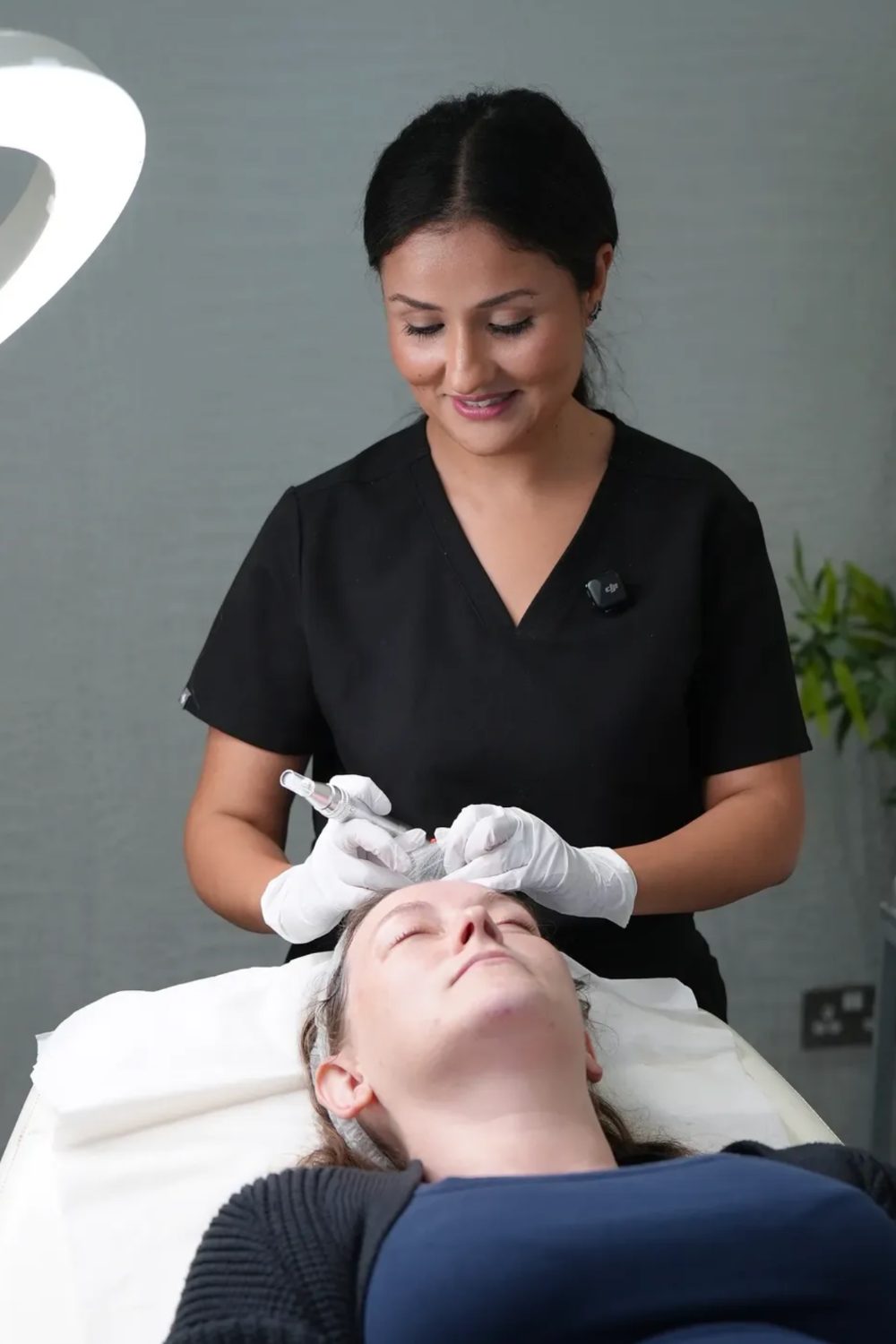
How We Assess Vaginal Laxity at Aarva
You see a doctor first, in a private room, with a chaperone offered. We ask about your pregnancies and births, bladder and bowel symptoms, sex, periods or menopause, and general health. With your consent we carry out an examination to check the tissues and pelvic floor strength.
A key part of this is ruling out pelvic organ prolapse, where the womb, bladder or bowel drops into the vagina. Prolapse can cause a feeling of heaviness, dragging or a bulge, and it needs proper assessment rather than an energy-based treatment. If we find it, we will explain the options and refer you where needed.
Treatment Options for Vaginal Laxity
For most women the first step is pelvic floor muscle training, ideally supervised by a specialist pelvic floor physiotherapist for at least three months. This is recommended in NHS and national guidance and can improve both tone and mild leaking. In-clinic treatments may be considered afterwards, or alongside, once we have assessed you.
Uses gentle radiofrequency heat to encourage collagen in the vaginal tissues. Some women report a firmer feel, but the evidence is limited and long-term results are not well studied.
Delivers laser energy to the vaginal tissues with the aim of tightening them. As with other energy-based devices for this use, good-quality long-term evidence is lacking, and we discuss this openly before you decide.
The US Food and Drug Administration has warned about energy-based devices marketed for vaginal rejuvenation, and UK specialist bodies have also urged caution until better evidence is available. We will only suggest a device treatment if we think it is reasonable for you, and it is never a substitute for pelvic floor work.
What to Expect
What to expect depends on the treatment chosen, the settings used and the outcomes you agree with your doctor in your plan.
Pelvic floor exercises usually take a few months of regular practice before you notice a change. If you go ahead with an in-clinic treatment, it is usually given as a short course of sessions a few weeks apart. You may have mild warmth or discharge for a day or two, and we advise avoiding sex for a short time afterwards. Any effect tends to build over the following weeks, may fade over time, and you may need maintenance.
How We Approach Vaginal Laxity at Aarva
We treat this as women’s health, not a cosmetic add-on. We look at pelvic floor strength, menopause and bladder symptoms together. If you have leaking, we assess it and refer you for specialist care where needed.
Nothing needs to be booked on the day, and you leave with a written treatment plan with clear pricing. If physiotherapy is the right answer, or you do not need treatment at all, we will say so.
When to See a Doctor Sooner
See your GP or a gynaecologist promptly if you notice a bulge or lump in or near the vagina, a heavy or dragging feeling, difficulty emptying your bladder or bowel, bleeding after sex, bleeding between periods or after menopause, pain during sex, or unusual discharge. If you cannot pass urine at all, call 111 or go to A&E.
This list is not exhaustive. If you are not sure about something, see a doctor.
Questions Patients Ask About Vaginal Laxity
Cannot see your question? Our doctors are happy to talk it through at your consultation.
It often improves over the first months after birth, especially with regular pelvic floor exercises. If it has not improved after a few months, a pelvic floor physiotherapist or doctor can help.
Yes, for many women they improve tone, sensation and mild leaking. They should be done correctly and regularly for at least three months, ideally guided by a specialist physiotherapist.
Some women report improvement after radiofrequency or laser treatment, but the evidence is limited and long-term results are uncertain. We will give you an honest view after assessing you.
Prolapse often causes heaviness, dragging or a bulge you can feel or see. An examination by a doctor is the only reliable way to tell, and prolapse needs proper assessment.
The price depends on your assessment and the plan agreed with your doctor. It is confirmed in writing before any treatment starts.
Why Patients Choose Aarva
Doctor-led from the first appointment
Every consultation is with a doctor, and every plan is written by a practising GP.
GPs still in practice
Our doctors, Dr Saptarshi Saha, Dr Purti Choudhary and Dr Shivani Malhotra, are GMC-registered GPs who still work in general practice.
One medical record
GP, skin and women’s health care sit on one record, so nothing gets lost between appointments.
It starts with a consultation
A doctor assesses you properly, explains your options and gives you a written treatment plan with clear pricing, so every step that follows is the right one.
Come to Us With a Problem, Not a Treatment
If you would like to talk this through privately with a doctor, book a consultation or use Find your starting point.
Related conditions: Vaginal dryness and menopause-related changes
This page is general information and does not replace a consultation with a doctor.